
Boosting Business Security: The Essential Role of VPNs
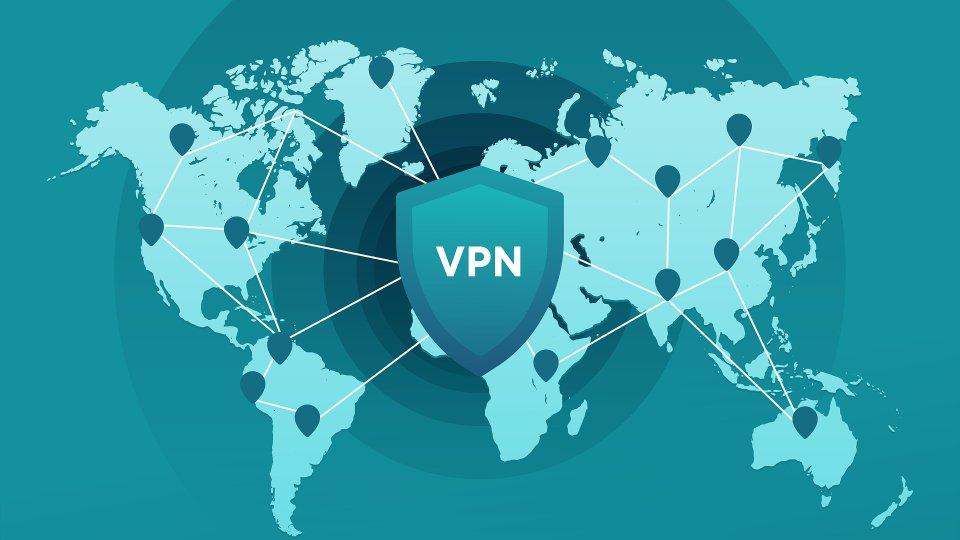
In today’s digital landscape, where cyber threats lurk around every corner, ensuring robust security for your business has never been more critical. As remote work becomes increasingly prevalent and the lines between personal and professional networks blur, organizations must adopt comprehensive strategies to safeguard their data and maintain the integrity of their operations. One of the most effective tools in the fight against cybercrime is the Virtual Private Network (VPN). In this article, we will explore the essential role VPNs play in boosting business security, examining how they protect sensitive information, enhance privacy, and ensure secure connections for employees, no matter where they are working from. Whether you’re a small startup or an established corporation, understanding the capabilities of VPN technology can be a game changer in your cybersecurity strategy. Join us as we delve into the many ways VPNs can fortify your business against potential threats and provide peace of mind in today’s ever-evolving cyber landscape.
Table of Contents
- Understanding the Basics of VPNs in Business Security
- Key Benefits of Implementing a VPN for Your Organization
- Essential Features to Look for When Choosing a VPN
- Best Practices for Effectively Utilizing VPNs in Your Business
- Concluding Remarks
Understanding the Basics of VPNs in Business Security
Virtual Private Networks (VPNs) are essential tools that enhance business security by creating secure connections over public networks. By encrypting data, VPNs protect sensitive information from unauthorized access, ensuring that only intended recipients can view or modify it. This is particularly crucial for businesses that handle private client information, proprietary data, or sensitive communications. When employees access company resources remotely, a VPN acts as a shield against potential cyber threats, safeguarding against data breaches and identity theft.
Implementing a VPN in a business environment comes with several key benefits:
- Encryption: Protects data in transit from eavesdropping.
- Anonymity: Masks the user’s IP address, enhancing privacy.
- Secure Remote Access: Enables employees to safely connect to company networks from anywhere.
- Cost-Effective Solutions: Reduces the need for expensive leased lines while maintaining security.
To illustrate the impact of a VPN on overall business security, consider the following table:
| Feature | Benefit |
|---|---|
| Data Encryption | Prevents interception of sensitive information |
| Access Control | Limits network access to authorized users only |
| Multiple Connections | Supports various devices and locations simultaneously |
| Improved Performance | Reduces bandwidth throttling and latency |
Key Benefits of Implementing a VPN for Your Organization
Implementing a VPN can significantly bolster your organization’s security posture by encrypting sensitive data. Encryption ensures that information exchanged within your network remains private, shielding it from potential threats such as hackers and sniffers. This increases trust among clients and partners, as they can share important data with confidence. Additionally, a VPN allows for secure remote access, enabling employees to connect to the company network from various locations while keeping their communications safe from prying eyes. As remote work becomes increasingly prevalent, a reliable VPN serves as a crucial tool for maintaining business continuity and data protection.
Beyond improved security, VPNs also enhance flexibility and scalability for organizations. They facilitate seamless access to resources across different geographical locations, making it easy to manage multi-site operations. Another important advantage is compliance with regulations; many industries have stringent data protection laws that require the use of secure connections to prevent unauthorized access to sensitive information. By integrating a VPN solution, businesses can mitigate risks associated with data breaches and ensure they meet industry standards. Consider the following table showcasing key benefits:
| Benefit | Description |
|---|---|
| Data Encryption | Protects data from unauthorized access through encryption protocols. |
| Remote Access | Allows secure connections for remote employees. |
| Multi-Site Connectivity | Facilitates communication between different office locations. |
| Regulatory Compliance | Helps organizations adhere to data protection laws. |
Essential Features to Look for When Choosing a VPN
When selecting a VPN for your business, several critical features should be prioritized to ensure robust security and optimal performance. First and foremost, focus on encryption protocols. Look for services that utilize Advanced Encryption Standard (AES) with at least a 256-bit key, as this is the standard for high-level security. Additionally, consider the provider’s no-logs policy; this means they do not store user activity, providing an extra layer of privacy for your business operations. Compatibility with multiple devices and platforms is also essential, enabling you to secure all endpoints within your organization.
Another important aspect is the server network. A VPN should offer a wide range of servers across various geographical locations, allowing you to bypass regional restrictions and improve connection speed. Furthermore, pay attention to customer support; responsive technical assistance can be crucial in resolving issues that may arise. Last but not least, check for additional features such as split tunneling, which lets you choose which applications use the VPN and which connect through your regular internet service, and kill switch functionality, which disconnects your device from the internet if the VPN connection drops, safeguarding sensitive data.
Best Practices for Effectively Utilizing VPNs in Your Business
To ensure your business reaps the full benefits of VPNs, it is crucial to adopt a structured approach when implementing and managing the technology. Start by selecting the right VPN provider with features tailored to your business needs, such as high-speed connections, robust encryption standards, and extensive server coverage. Additionally, consider the importance of user training; team members should be educated on how to use the VPN effectively, including understanding potential risks associated with unsecured public Wi-Fi. Regular audits of the VPN setup can help identify vulnerabilities and ensure compliance with your organization’s security protocols.
Another vital practice is to establish clear usage policies for employees who access the VPN. This involves defining who can use the VPN, what data can be accessed, and the acceptable activities while using the VPN. Furthermore, regularly updating both your VPN software and user credentials helps maintain security integrity. Consider maintaining a small table to visualize key elements of your VPN strategy:
| VPN Strategy Element | Description |
|---|---|
| Provider Selection | Choose a reputable VPN service with strong encryption and reliable speeds. |
| User Training | Educate employees on best practices for using the VPN securely. |
| Usage Policies | Define acceptable use cases and data access protocols. |
| Regular Audits | Conduct audits to identify vulnerabilities and ensure compliance. |
| Software Updates | Keep all VPN software updated to protect against security threats. |
Concluding Remarks
incorporating a Virtual Private Network (VPN) into your business security strategy is no longer an optional enhancement but a crucial necessity in today’s digital landscape. VPNs offer robust encryption, secure remote access, and a shield against cyber threats, helping to protect sensitive data and maintain the integrity of your operations. As remote work becomes more prevalent, the importance of safeguarding your company’s information cannot be overstated. By investing in a reliable VPN service, you not only bolster your cybersecurity posture but also foster a culture of trust and responsibility among your employees.
As you move forward, consider conducting a comprehensive assessment of your current security measures to determine how a VPN can best fit into your overall strategy. Whether you run a small startup or a large corporation, the protective capabilities of a VPN can enhance your business resilience against the ever-evolving cyber landscape. Remember, in the world of cybersecurity, it’s always better to be proactive than reactive. Stay vigilant, safeguard your assets, and leverage technology to secure a prosperous future for your business. Thank you for reading, and here’s to your continued success in safeguarding what matters most!